Iven Betta
Betta Uberis
Betta Uberis
Couldn't load pickup availability
Betta Uberis — A Peat Swamp Specialist from Borneo with a Distinctive Dorsal Fin
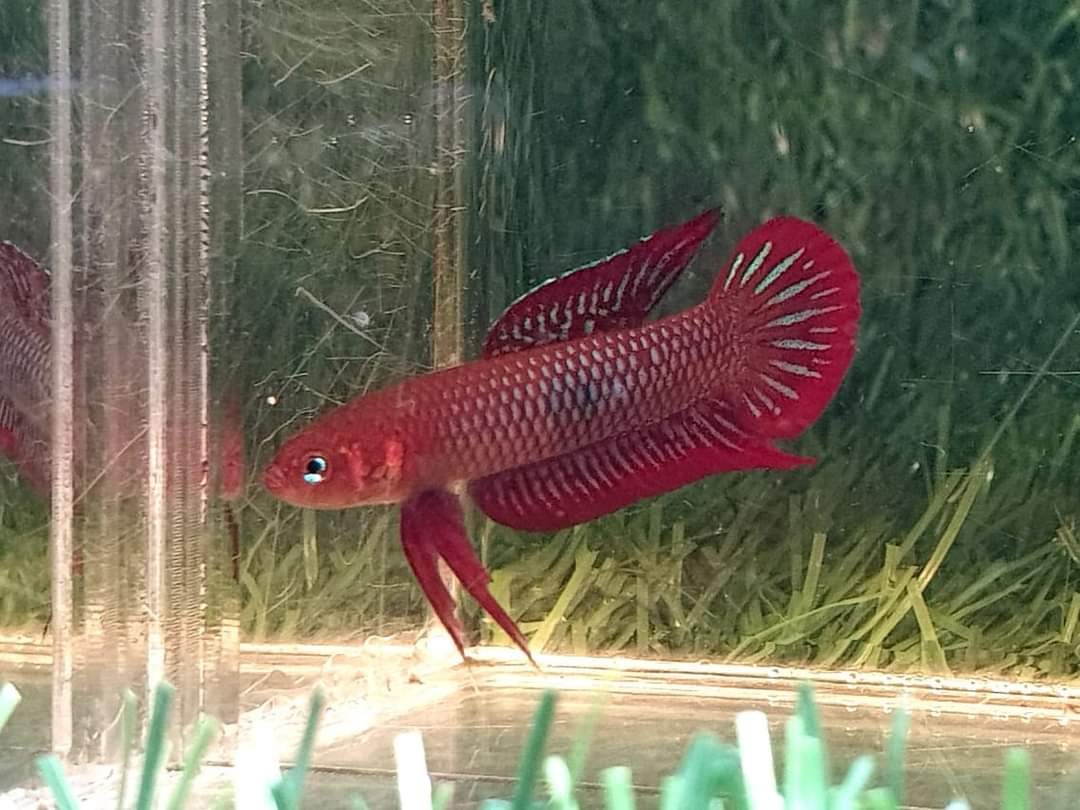
Betta Uberis is a compact, intrigue-filled betta that brings the mystique of blackwater habitats into a home aquarium. Named for its abundant dorsal-fin rays, this species stands out among its congeners with a striking, compact silhouette and a temperament perfectly suited to dim, shaded monotone environments. Native to peat swamp forests and sluggish streams of Kalimantan Tengah and surrounding regions on Borneo, Betta Uberis thrives where light is scarce, waters are tea-stained, and leaf litter creates natural shelter.
In nature, Betta Uberis endures water that’s highly acidic, with dissolved minerals at a minimum and pH that can dip to 3.0–4.0. Backed by a dense canopy, these fish are adapted to a living world of microbe-rich leaf litter and occasional dry periods when water bodies contract. In the aquarium, you can recreate this unique niche to enjoy a visually compact Betta with a very particular set of needs—and rewards.
Why Betta Uberis Stands Out
- Distinctive anatomy: slender, active swimmers with an unusually high number of dorsal-fin rays—an easy tell for identifying this species in a diverse community.
- Blackwater adaptability: thrives in tea-stained, acidic water and shaded setups, mirroring its natural peat swamp milieu.
- Microbe-friendly space: thrives with leaf litter and decaying organic material that foster beneficial microbe colonies, which can serve as a supplementary food source for fry.
- Compact, space-conscious design: small adult size (about 30–36 mm) makes Betta Uberis suitable for smaller or species-focused tanks while still delivering engaging behavior and character.
Tank Setup and Water Chemistry for a Healthy Betta Uberis
The right environment is essential for this peat-swamp specialist. Plan a tank at least 45 × 30 cm (or its equivalent) to give this small betta room to explore shaded corners, driftwood microhabitats, and leaf-litter cover.
- Substrate and decor: fully decorated tanks work well, but many breeders prefer no substrate for ease of maintenance. Include driftwood, roots, branches, and clay pots or piping to provide shelter and create shaded zones.
- Leaf litter benefits: dried leaf litter isn’t just decor—it fosters microbe colonies and releases tannins and other compounds that mirror blackwater environments. This also offers natural cover and a potential fry-food source as microbes develop.
- Water chemistry: Betta Uberis requires acidic, very soft water with negligible carbonate hardness. Aim for low general hardness and a low carbonate level; many setups rely on soft-water systems or reverse osmosis to achieve these conditions.
- pH and alkalinity: pH can be as low as 3.0–4.0 in nature. In captivity, maintain stability around the soft, acidic end of the spectrum to keep this species comfortable and less prone to stress.
- Filtration and lighting: a fairly dim environment suits Betta Uberis best. Avoid bright, harsh lighting; instead, use moderate filtration to maintain gentle water movement appropriate for darkwater systems.
- Plants to support the ecosystem: choose species that tolerate low light, such as Microsorum (Java Fern), Taxiphyllum (Java Moss), or Cryptocoryne spp. Floating vegetation is also appreciated by this species as it enhances shaded refuges.
- Special note on peat: while peat can lower pH in some setups, it’s not required here and can be environmentally unsustainable to harvest. Leaf litter and RO-softened water are preferred approaches.
Care, Behavior, and Longevity in Home Aquariums
Betta Uberis is a stenotopic inhabitant of its native blackwater streams, so consistency matters. Keep a stable, soft, acidic environment and avoid abrupt shifts in pH or hardness. The fish will appreciate a tank with multiple shaded spots, gentle currents, and places to explore. In times of environmental stress in the wild, individuals may briefly persist amid moist leaf litter for weeks when permanent water is scarce—an example of the species’ resilience that can be gently mirrored by a well-maintained aquarium microhabitat.
Who Should Consider Betta Uberis?
- experienced freshwater aquarists seeking a truly specialized Betta with a distinctive natural history
- hobbyists who want a blackwater setup that mirrors Southeast Asian peat swamp ecosystems
- breeders looking for a unique species that benefits from leaf-litter aisles and microbe-based fry food
- aquarists aiming to create a compact, biodiverse microhabitat in a smaller tank or species-focused display
Practical Tips for Success with Betta Uberis
- Begin with stable, soft water—consider RO or a dedicated softening system to reach the target hardness and pH range.
- Incorporate driftwood and leaves to build a natural canopy and provide shelter as well as a microbe-friendly substrate for fry.
- Keep lighting dim and consistent to mimic natural peat swamp conditions; avoid bright, broad-spectrum lighting that can stress the fish.
- Introduce compatible plant species tolerant of low light to enhance the habitat while maintaining the subdued aesthetic Betta Uberis prefers.
- Provide hiding spots using clay pots or pipes; ensure there are several shady corners so the fish can retreat from any perceived threat.
Betta Uberis is more than a species—it's an invitation to recreate a delicate, blackwater world in your own aquarium. With careful attention to water chemistry, habitat structure, and a thoughtfully chosen mix of shelter and plants, you’ll enjoy a captivating, active, and resilient little Betta that embodies the enigmatic charm of Borneo’s peat swamps.
Share