Iven Betta
Betta Persephone
Betta Persephone
Couldn't load pickup availability
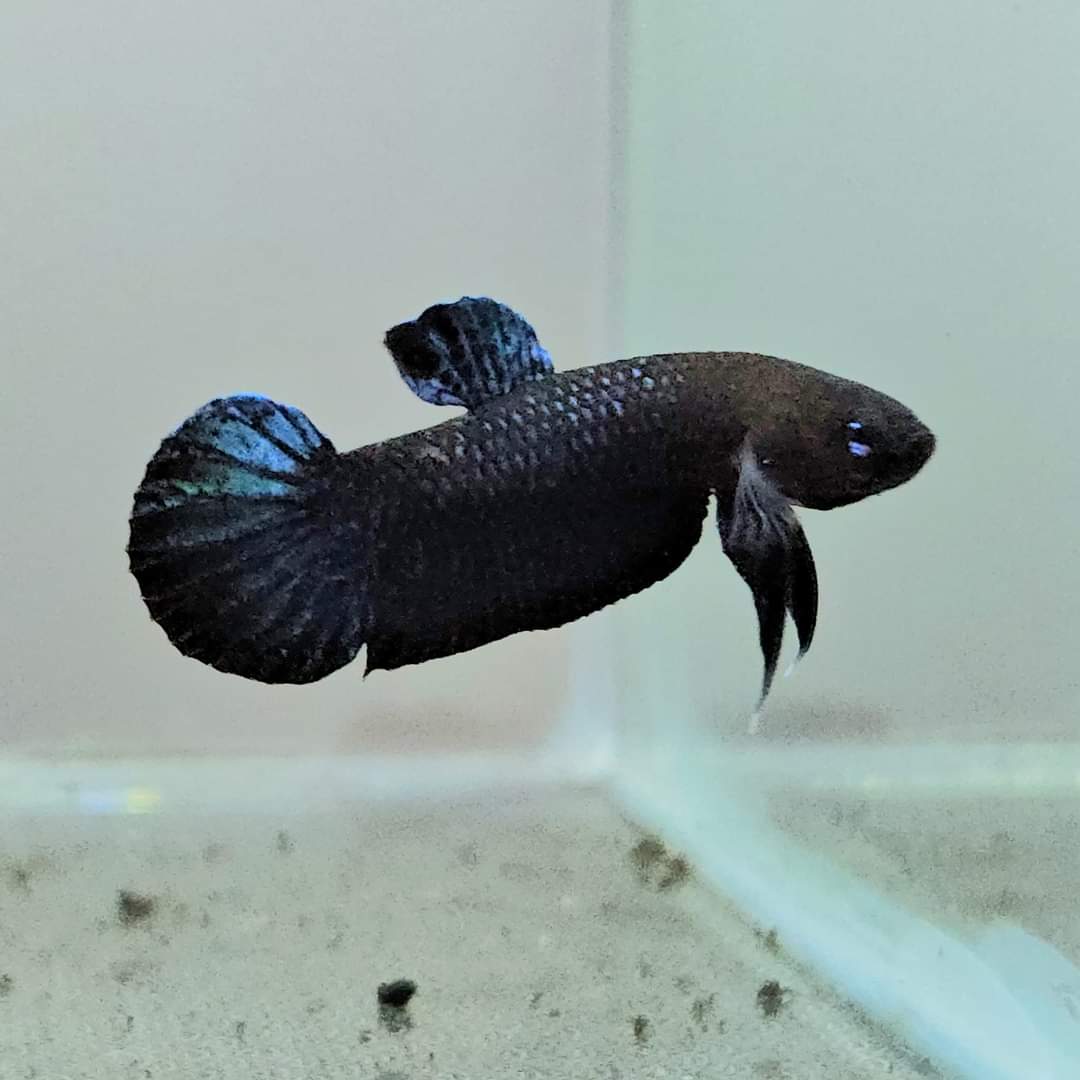
Betta Persephone is a diminutive, enigmatic betta named after the Greek queen of the Underworld, celebrated for its largely blackish coloration and its striking, otherworldly presence in the aquarium. At just 30–35 mm, this little gem reveals personality beyond its size, turning a thoughtful, dark-water setup into a lush showcase of nature-inspired beauty.
In the wild, Betta Persephone is a stenotopic resident of peat swamp forests and their shaded streams in southwestern Johor, Malaysia. Its life unfolds under a dense canopy where light barely reaches the water, which is typically stained and acidic with low mineral content. This species has endured heavy habitat modification—oil palm plantations and deforestation have narrowed its home to precious pockets of primary peat swamp forest—and it has carried the IUCN Red List status of Critically Endangered since 1996. Caring for this fish is more than keeping a pet; it’s a way to honor a fragile, biodiverse ecosystem.
Creating a true-to-life home for Betta Persephone means embracing a blackwater-inspired setup that mirrors its natural milieu. A fully-decorated tank is perfectly suitable, but many breeders prefer a substrate-free layout to simplify maintenance. Key features to emulate its world:
- Water chemistry: extremely soft, acidic conditions with negligible carbonate hardness and very low general hardness. In practice, this often means using purified or RO water and maintaining a pH in the low 3.0–4.0 range. The goal is stable, gentle water that won’t shock the fish, reflecting the low-nutrient, humic-rich waters of its peat swamp homes.
- Filtration and flow: slow, gentle filtration. Strong currents disrupt this species’ natural behavior and can erode the shaded, leaf-litter microhabitats it prefers.
- Lighting: fairly dim lighting to echo the filtered light beneath a dense canopy. A softly lit tank invites its deep, dark pattern to emerge and helps reduce stress.
- Substrate and decor: driftwood roots and branches create shady havens; clay plant pots or lengths of piping offer shelter. Leave open areas for foraging, and layer in dried leaf litter if possible—these not only look authentic but also foster microbe colonies that serve as a secondary food source for fry as they develop.
- Plants: choose species that tolerate low light, such as Microsorum (java fern), Taxiphyllum (js moss), Cryptocoryne spp., and floating plants to provide additional shade and hiding spots.
- Maintenance tip: while a substrate can be used, many keepers find a leaf-litter-rich, minimally disturbed setup easier to maintain and more faithful to the species’ blackwater origins. Avoid peat collection and opt for sustainable décor that mimics the natural environment without harming ecosystems.
Diet and feeding in captivity follow the same spirit of foraging that defines its wild life. In the aquarium, a diet of tiny, high-quality micro foods and live (or freeze-dried) options suits this species, with leaf litter microbe colonies offering a natural, supplementary feeding stage for fry. The environment itself becomes a built-in feeding ground, which is particularly beneficial during early development when fry rely on microbially produced nutrients.
Who should consider adding Betta Persephone to their collection? This is a species for experienced aquarists who are prepared to recreate a delicate blackwater habitat and maintain stable, soft water conditions. It’s ideally suited for nano or paludarium-style setups where slow movement and shaded areas mimic its natural life. If you’re conservation-minded, keeping Betta Persephone contributes to the appreciation and preservation of Malaysia’s peat swamp biodiversity, turning a home aquarium into a small act of habitat stewardship.
In short, Betta Persephone isn’t just a visually striking betta—it’s a living link to a rare ecosystem. Its care demands thoughtful setup, steady water chemistry, and a ban on aggressive filtration or bright lighting. When you provide a dim, soft-water haven with driftwood, leaf litter, and careful feeding, you’ll observe a fish that reflects the quiet resilience of peat swamp forests and a uniquely beautiful presence in any dedicated aquarium.
Share