Iven Betta
Betta Rutilans
Betta Rutilans
Couldn't load pickup availability
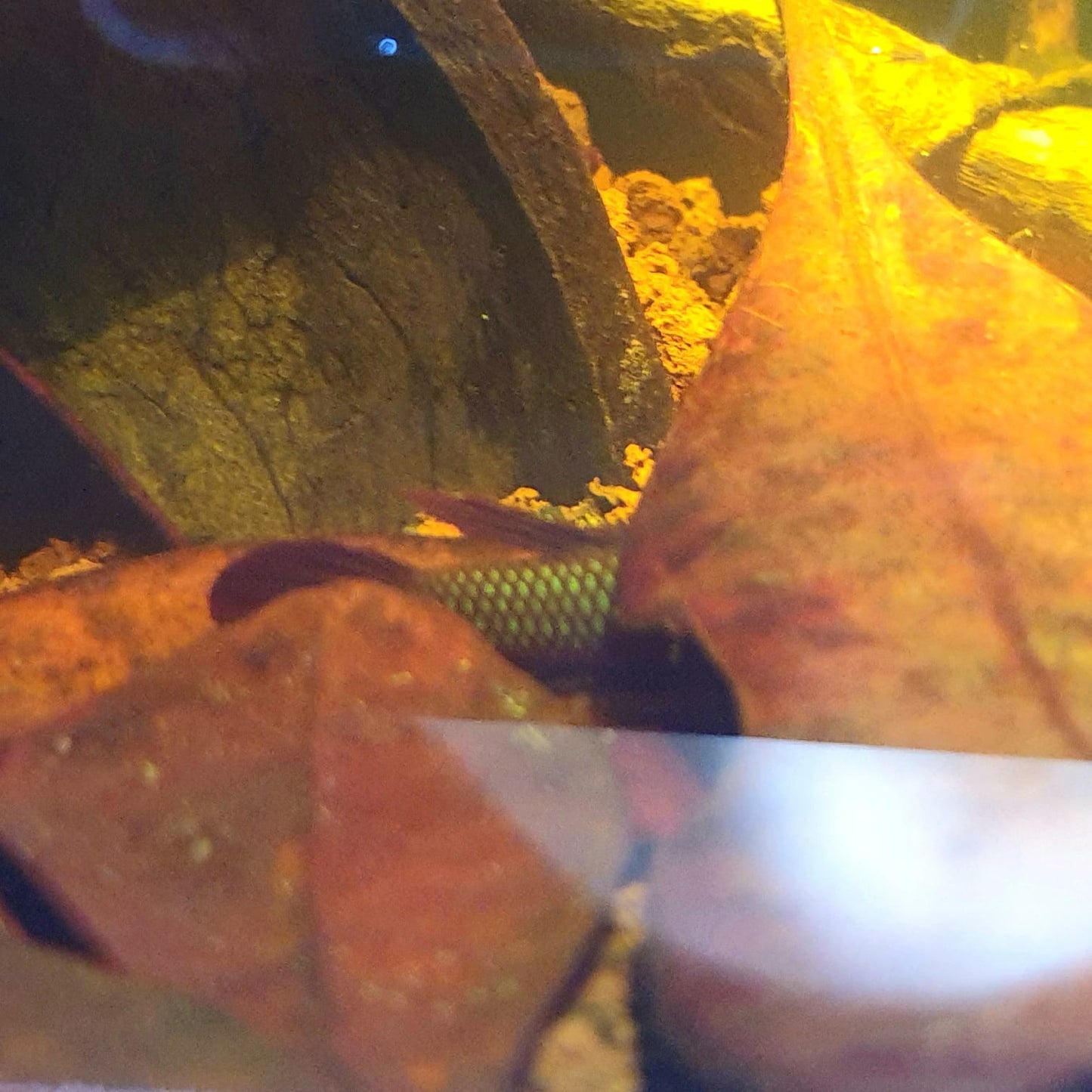
Betta rutilans—the vibrant “red Betta” of Kalimantan Barat (West Kalimantan), Indonesia—offers a compelling blend of color and biotope-inspired care. This small, red-highlighted Betta is a true naturalist’s favorite, thriving when kept in a tank that echoes its peat swamp and blackwater origins. Its dark-tinted waters, leaf-littered substrate, and shaded corners create a living, dynamic display that’s both beautiful and educational.
: compact and striking, with a maximum standard length of 30–35 mm, making it a perfect centerpiece for dedicated nano to small-tank setups. - True-to-habitat care: developed to flourish in soft, acidic, low-mineral waters, mirroring its natural blackwater environment where pH can drop to the 3.0–4.0 range and carbonate hardness is minimal.
- Natural filtration and shelter: thrives with gentle filtration and abundant hiding spots created by driftwood, fallen leaves, and submerged roots—habitats that resemble the slow, tannin-stained streams it comes from.
- Microbe-rich feeding context for fry: leaf litter and decaying plant matter foster microbe colonies, providing a valuable secondary feeding source for fry and contributing to a self-sustaining micro-ecosystem within the tank.
- Low-maintenance decor philosophy: while you can build a richly decorated setup, there’s no requirement for substrate; many breeders prefer simple layouts that emphasize shade, cover, and water clarity.
Tank setup that mirrors the wild biotope
- Tank size: a minimum base dimension of 45 × 30 cm (approximately 18 × 12 inches) is recommended to provide space for gentle swims and turning angles in dim lighting.
- Substrate and decor: you can run a fully-decorated tank or keep it substrate-light for easier maintenance. Include driftwood roots and branches arranged to form shaded nooks, with clay plant pots or piping to offer additional shelter.
- Leaf litter and tannins: incorporate dried leaf litter to intensify the natural feel and to support beneficial microbe activity. The tannins and other decompositional products contribute to a softer, more acidic environment that Betta rutilans prefers.
- Lighting: opt for fairly dim lighting to mimic the dense canopy of its native peat swamps and to reduce stress, which helps bring out its red coloration.
- Plants and greens: consider aquatic plants that tolerate low light, such as Microsorum (Java Fern), Taxiphyllum, or Cryptocoryne species. A few patches of floating vegetation can help create additional shade and surface cover.
- Water parameters: aim for soft water with very low general hardness and negligible carbonate hardness. A soft water setup is more natural for this species; RO water or similar sources can help achieve these conditions. Minor pH adjustments may be used to maintain stability in the 3.0–4.0 range as needed, aligning with its dark-water origins.
- Filtration: because the species comes from sluggish waters, choose gentle filtration—an air-powered sponge filter with a soft turnover is ideal to avoid strong currents.
- Tank top and humidity: keep the tank well-covered and avoid filling it to the very top. Betta rutilans appreciate an occasional access to the humid air layer above the water surface, which is part of its natural behavior.
Who should consider Betta rutilans? If you’re passionate about biotope aquariums, this species is a standout for simulating Southeast Asian blackwater habitats. It’s ideal for experienced hobbyists who value authentic water chemistry, subtle lighting, and the visual drama of a small red Betta weaving through leaf litter and driftwood. It’s also a captivating choice for breeders who want to showcase fry development in a microbe-rich, low-stress environment—where the leaf litter isn’t just decor, but a functioning part of the ecosystem.
Why this Betta stands out in a crowd: unlike Bettas kept in standard, high-light tanks with brighter water, Betta rutilans shines under dim lighting and in soft, acidic water. Its natural behavior—finding shelter among leaf litter, lounging in shaded corners, and gently exploring slow-moving currents—is heightened when you recreate its wild home. Plus, the sustainable approach of avoiding peat and embracing leaf-based tannins helps you maintain an eco-conscious, low-impact aquarium setup.
Share