Iven Betta
Betta Dimidiata
Betta Dimidiata
Couldn't load pickup availability
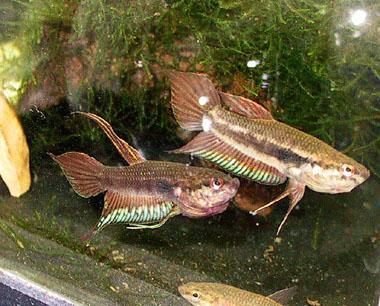
Betta dimidiata is one of the smallest wild bettas, a true jewel for nature‑inspired aquariums. Native to the Kapuas basin in West Kalimantan, Indonesia, this species is endemic to the upper Kapuas drainage and the Danau Sentarum lakes region. Measuring roughly 35–40 mm in length, it brings a delicate, compact presence to nano to small planted tanks while inviting a closer look at wild‑betta behavior.
Natural habitat at a glance
In the wild, Betta dimidiata thrives in forest swamp streams and shallow pools shaded by a dense canopy. Water is often stained with humic substances, dissolved minerals are minimal, and pH is low. Substrates are dominated by fallen leaves, branches, and submerged roots, creating a hidden, dimly lit world where fish may rely on leaf litter and river-bed hollows during dry spells. This isn’t just a look‑alike setup—it’s a window into the authentic microhabitat that shapes the species’ behaviors and needs.
Tank setup & care that honors the species
- Tank size: A base footprint of 45 × 30 cm is comfortable for a pair or a small group, giving plenty of vertical and horizontal structure for exploration.
- Decoration philosophy: A fully decorated aquarium is fine, and many breeders prefer minimal substrate for ease of maintenance. Use driftwood, roots, and branches to create shaded corners where the dim lighting is appreciated.
- Shelter & hiding spots: Include clay plant pots or lengths of piping to provide additional crevices. A few shady patches encourage natural foraging behavior and reduce stress during transitions.
- Microbial and natural food sources: Dried leaf litter isn’t just décor; as it decomposes, it fosters microbe colonies that can offer a valuable secondary food source for fry in a well‑established tank. This is particularly relevant for a species that originates from blackwater environments.
- Water chemistry: Betta dimidiata requires acidic conditions with negligible carbonate hardness and very low general hardness—soft water is essential. Use RO water or another method to achieve soft water, and, if needed, gently acidify with phosphoric acid or a similar additive.
- Filtration & water flow: Because this species inhabits slow, murky waters, filtration should be gentle. A soft turnover is ideal; consider an air‑powered sponge filter with a light flow to mimic natural currents without stressing the fish.
- Lighting: Keep lighting fairly dim to emulate the shaded forest streams and pools this betta loves. Moderate, indirect light helps maintain color and temperament.
- Water stability: Avoid strong fluctuations. Hardness and pH shifts can stress wild bettas, so steady, soft, acidic conditions are key to long‑term health.
- Tank safety: Keep the tank well covered and do not fill it to the very top. Like other Betta species, dim corners and secure lids reduce stress and predation risk from curious household occupants.
- Botanical notes: You don’t need peat—peat collection is unsustainable. Instead, lean into leaf litter, natural driftwood, and low‑tech plant companions that tolerate shade and soft water.
Plants and companions that suit Betta dimidiata
Choose species that tolerate low light and soft water. Good options include Microsorum (Java fern), Taxiphyllum (Java moss), and Cryptocoryne spp. Consider adding a few floating plants to diffuse light further while providing additional foraging zones and surface cover.
Care essentials and practical tips
- Environment first: Replicating the species’ native blackwater feel—dim light, leaf litter, and soft water—supports natural behaviors and coloration.
- Feeding cues: In captivity, allow natural micro‑food sources to develop in the leaf litter, while supplementing with small, appropriate foods as needed. Fry benefit from the microbially enriched environment as they grow.
- Maintenance rhythm: Gentle maintenance with minimal disturbance helps preserve the delicate ecosystems that form in blackwater‑style aquaria.
Who this is ideal for
Hobbyists seeking a compact, characterful wild betta that thrives in softly lit, naturalistic setups will appreciate Betta dimidiata. It’s particularly well suited to experienced aquarists building a soft‑water, ecological tank, or breeders who want to observe authentic territorial and courtship behaviors in a small group. The species’ endemic status and unique habitat requirements also make it a compelling centerpiece for dedicated planted tanks and blackwater displays.
Why Betta dimidiata stands out
Beyond its diminutive size, this species offers a rare glimpse into a specialized, low‑sunlight, humic‑rich niche. Its reliance on soft, acidic water and leaf‑driven microhabitats creates a distinctive husbandry challenge that rewards careful setup with vibrant, natural behavior and subtle coloration. Its Kapuas lineage and endemism add an engaging backstory for aquarists who love storytelling through the tankscape.
Share